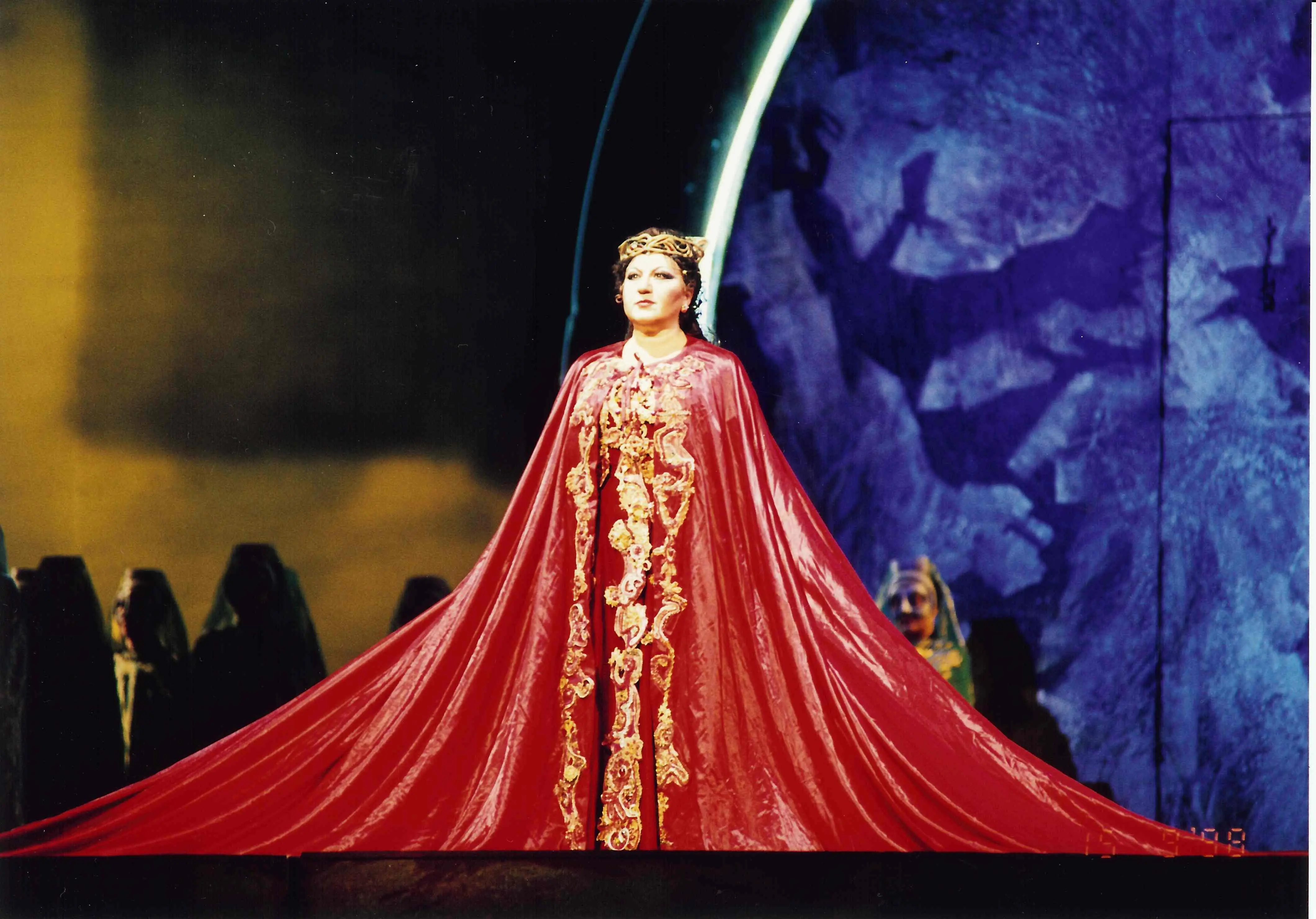
An Armenian American dramatic soprano, Maria Abajan pursues her international career as a free-lance artist in the operatic world of essentially Europe and South America. She is best identified with the roles of Italian heroines in operas by Puccini, Verdi, Bellini, Mascagni, Cilea, Catalani, Boito and Ponchielli.
Born in Yerevan, Armenia, Maria mastered her singing technique at the Komitas State Conservatory of Music under the prominent vocal teacher Mrs. Goulabian. Among the many prizes she earned was a scholarship to the famous Santa Cecilia Academy of Rome. After moving to Los Angeles, California, she entered the opera program of the world-renowned Thornton School of Music at USC.
Awarded first prize in the Western USA Regional auditions of the New York Metropolitan Opera, the Merola Program in San Francisco, and the Loren L. Zachary Society, Maria’s career quickly ascended. Music critics have praised her "large, healthy, and unfettered" voice, noting her ability to "grasp and float a tendril of Puccinian melody with velvety tenderness."
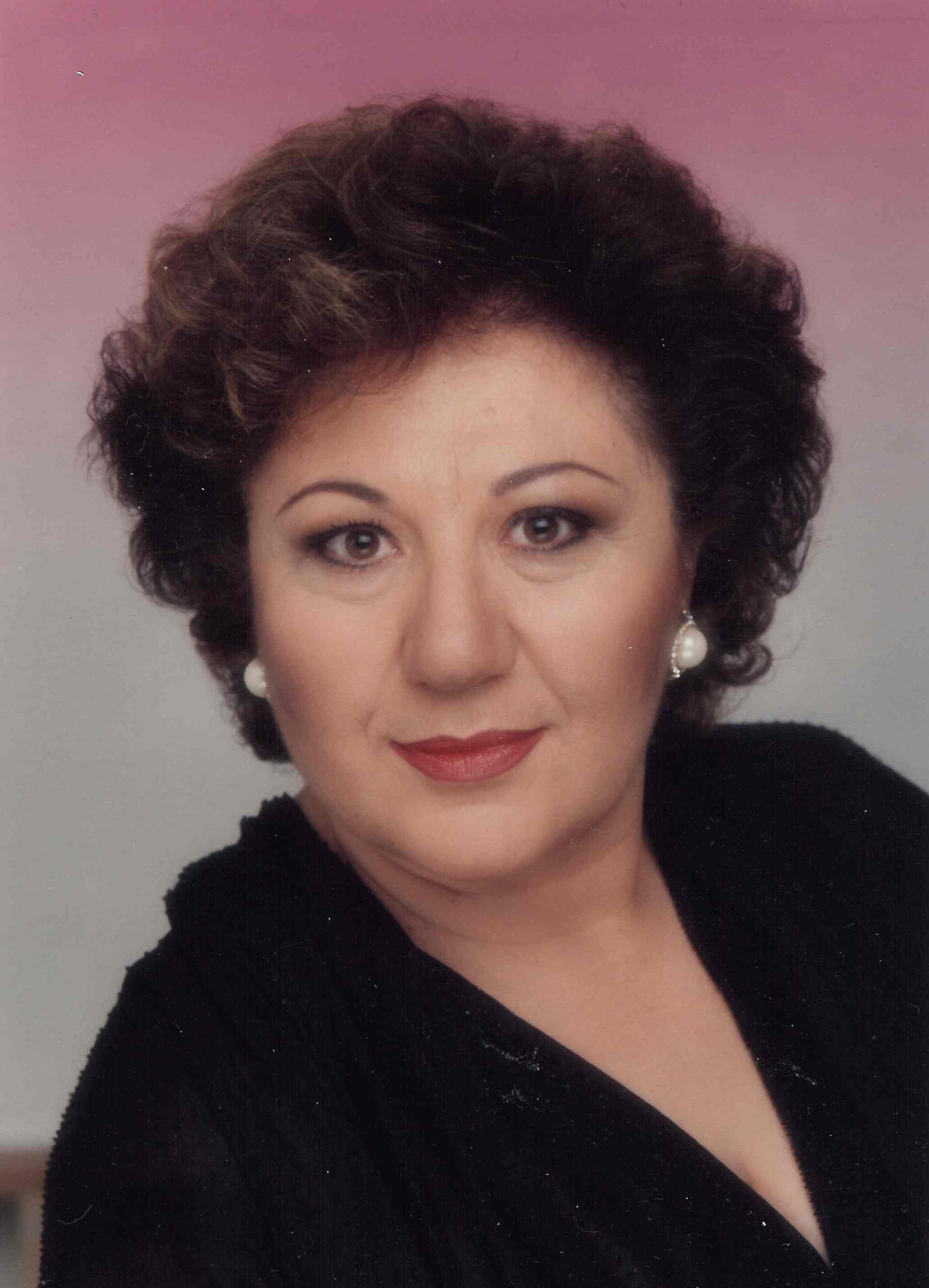
Maria Abajan established an impressive international operatic career of leading soprano roles on the opera and concert stages of mainly European and South American opera houses; such are: Berlin (Staatsoper and Deutsche Oper), Hamburg, Frankfurt, Düsseldorf, Stuttgart, Dortmund, Essen, Mannheim, Munich, Vienna, Graz, Prag, Brussels, Antwerp, Liege, Maastricht, Zurich, Basel, St. Gallen, Madrid, Bilbao, Oviedo, Las Palmas, Marseilles, Toulon, Toulouse, Montpellier, Nice, Glasgow, Aberdeen, Newcastle, Santiago de Chile, Rio de Janeiro, Sao Paulo, Caracas, Los Angeles and Tel Aviv.
Mrs. Abajan’s very first role was Abigaile in Verdi’s Nabucco, to which followed Lisa in Tchaikovsky’s Pique Dame.
Maria was invited to participate in a gala concert telecast on the opening night of Verdi’s 100th year anniversary in Rio De Janeiro, Brasil. Some other telecasts of her performances were: “Abigaile, Nabucco, and Turandot in Mallorca and in Las Palmas”, Tosca in Bilbao, Gorgetta, Il Tabarro in Madrid, Spain, and Verdi’s requiem in Toulon, France.
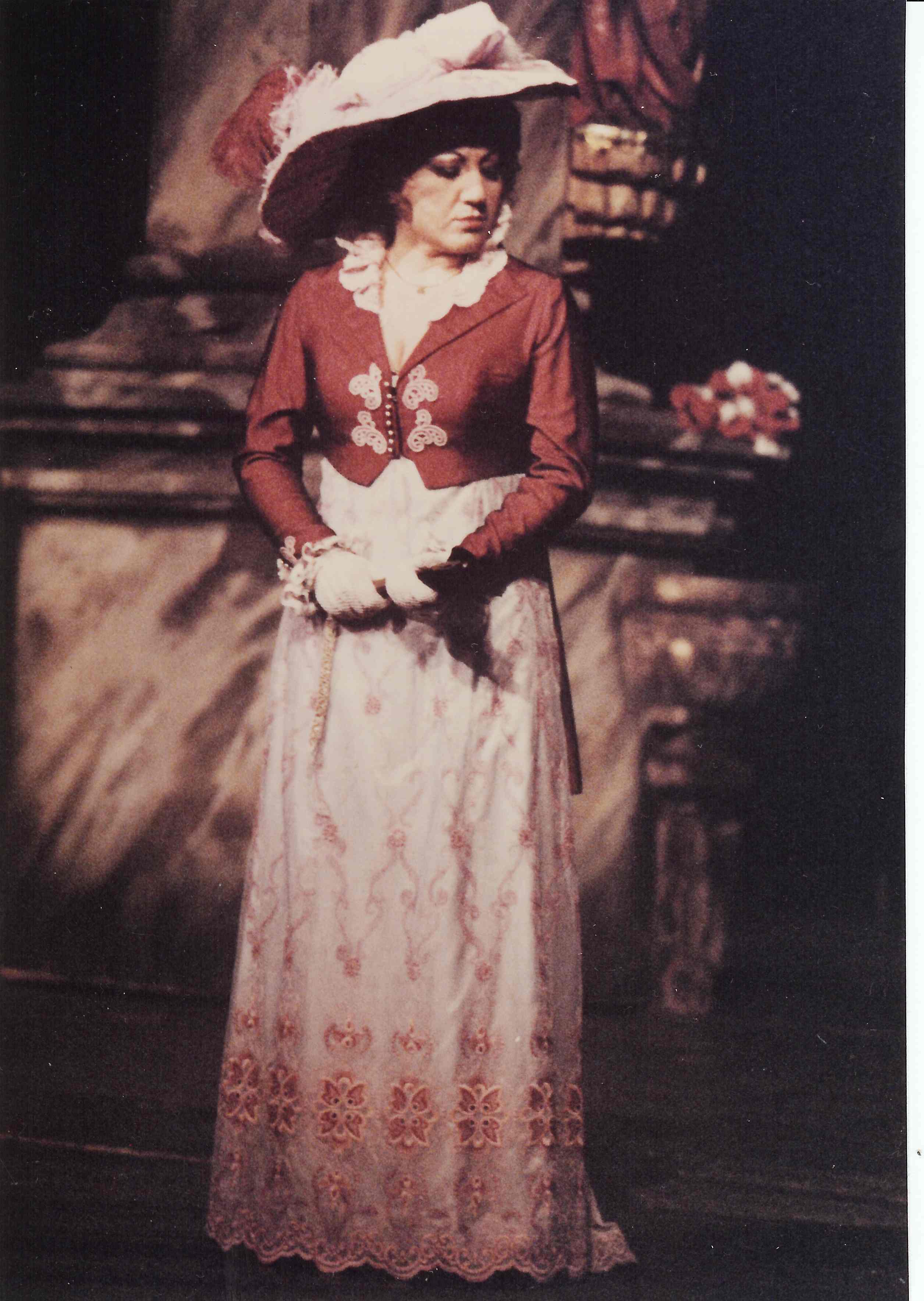
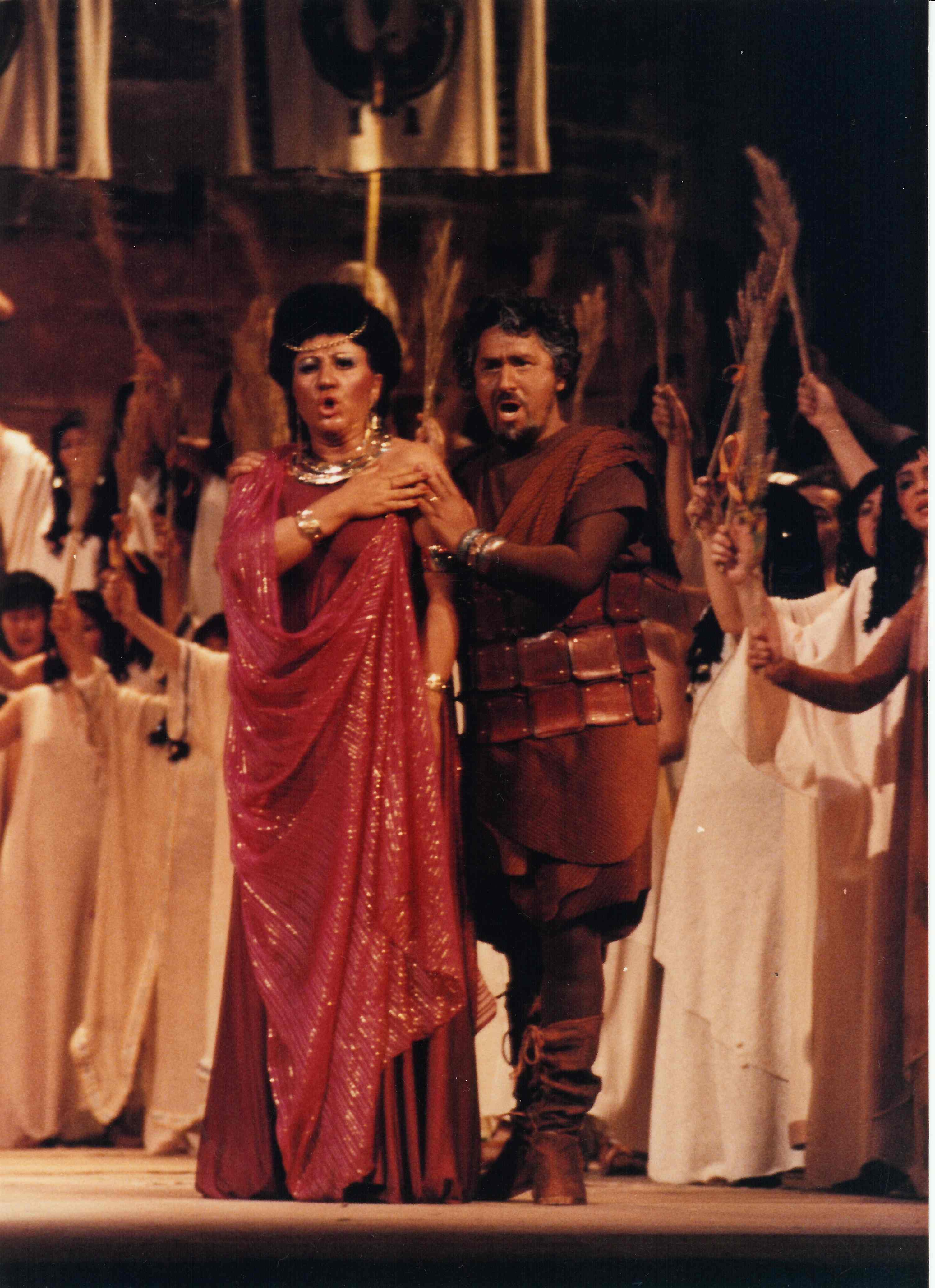
Among Mrs. Abajan’s partners on stage have been Niccolai Ghiaurov, Simon Estes, Grace Bumbry, Jose Carreras, Wolfgang Brendel, Fiorenza Cossoto, Allan Fondary, Piero Cappuccilli, Lando Bartollini, Gegam Grigorian, Eduard Tumagian, Luis Lima, Leo Nucci, Alberto Rinaldi, Guiseppe.Giacomini, Mario Malagnini, Peter Dvorsky, Giacomo Aragall, Renato Bruson, Paata Burchuladze.
Mrs. Abajan made her debut with the Vienna State Opera in 1991, in the role of Tosca with the conductor Fabio Luisi. She was invited back the following year for a repeat performance in the same role, and also to sing the role of Leonora in La Forza del Destino under the baton of Pica Steinberg.
Mrs. Abajan’s beautiful and expressive voice continues to thrill her audiences and win the unreserved admiration of conductors, stage directors, colleagues and critics alike. They speak of the beauty, power and range of her voice, her interpretive style and her impressive stage presence; to name a few: Marco Arturo Marelli, Giancarlo del Monaco, Giuseppe Patané, Nello Santi, Michelangelo Veltri, Fabio Luisi, Pierre Dervaux, Carlo Franci, Bruno Bartoletti, Donald Runnicles, Wolfgang Rennert, Pinchas Steinberg, P. Schneider and Gerry Bentini.
Mrs. Abajan’s concert repertoire of art songs and romances feature Schubert, Schuman, Wolf, Tosti, Verdi, Tchakofsky, Rachmaninof, as well as Armenian composers, such as: Mirzoyan, Spentiarian, Komitas. She is especially fond of singing Armenian medieval sacred arias of Naregatsi and Shnorhali. On occasion, Mrs. Abajan also sang Verdi’s Requem and Beethoven’s Ninth Symphony.
Throughout her singing career Mrs. Abajan has shared her knowledge of vocal technique and her interpretive insights of the vocal repertoire with young talented singers. Having found those experiences very fulfilling, she is at present seriously contemplating to devote a good portion of her time to teach the vocal technique, repertoire and stage craft, which she learned form her teachers – Rosalia Gulabian, Ariggo Pola , Ginga Cingna, Leone Magiera, from the conductors she has worked with, her singing partners, and especially from her own singing-acting experiences on the great opera and concert stages.
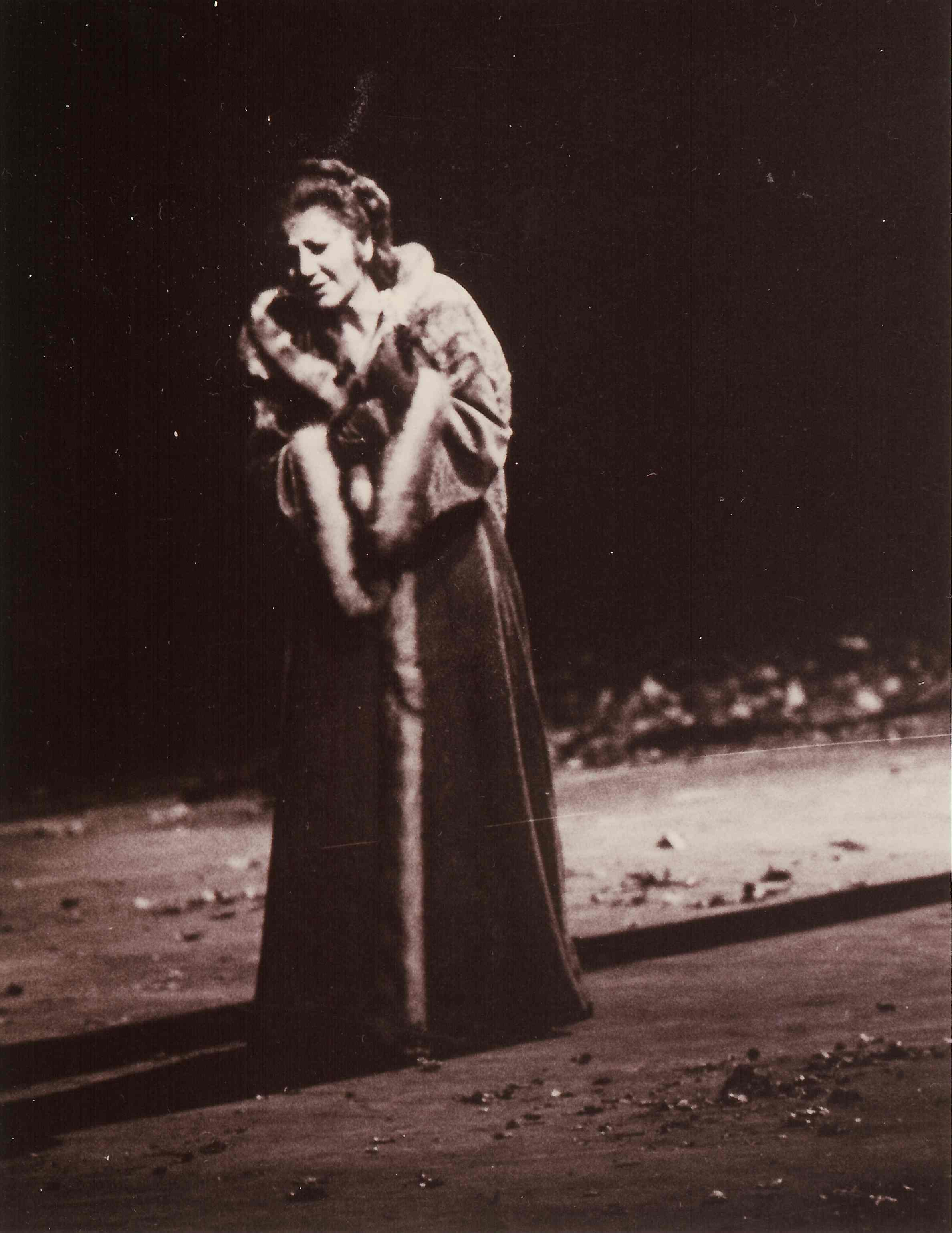
Selections from Maria's international operatic career
Puccini's icy princess is one of the most demanding soprano roles in the operatic repertoire. It requires immense vocal power, stamina, and a commanding dramatic presence to pierce through the massive orchestral score.
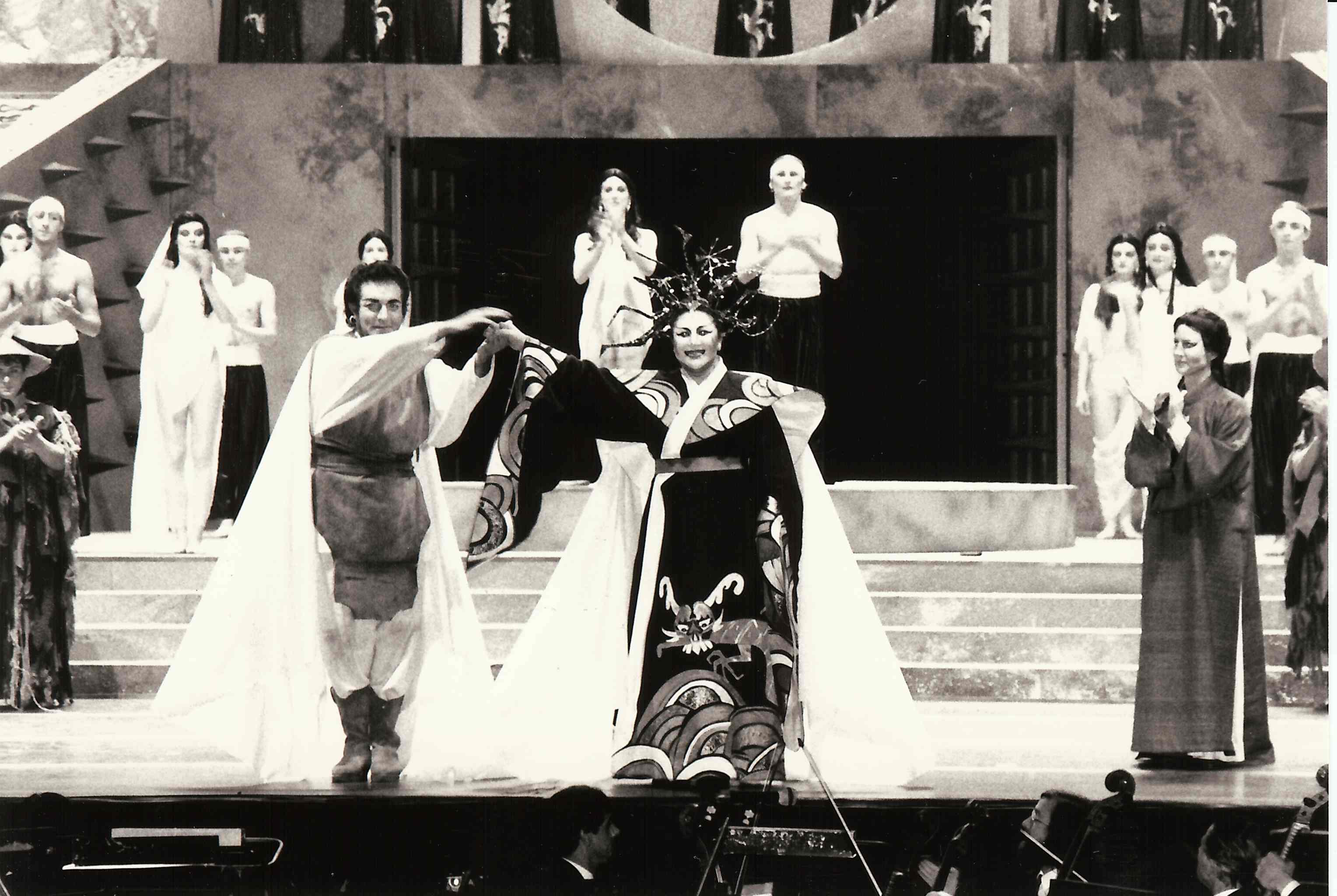
A pinnacle of Verdi's middle period, the role of Leonora demands a singer with exceptional agility for the bel canto phrasing, combined with the rich, dark tone of a true dramatic soprano to convey her tragic sacrifice.
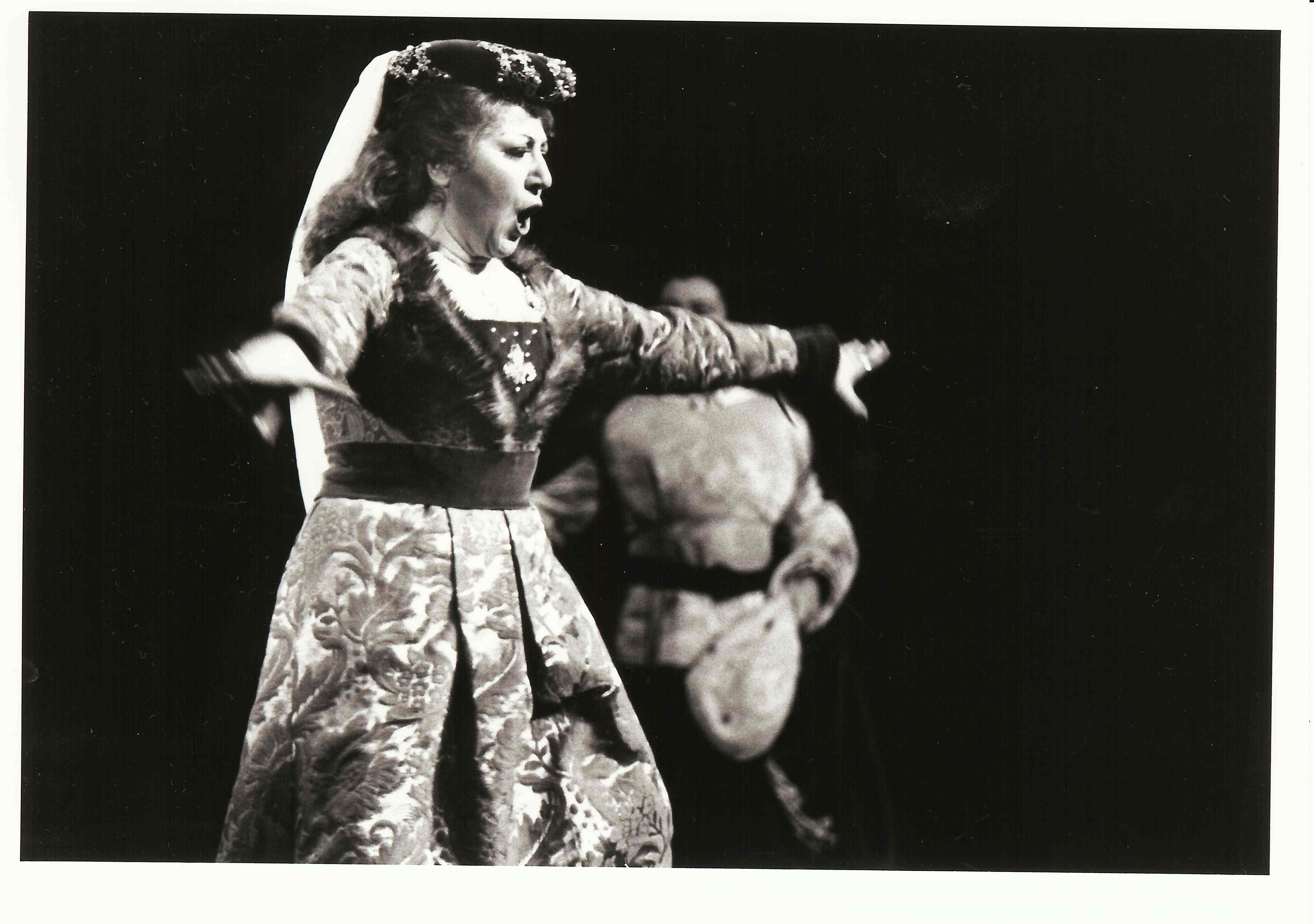
Abigaille was Maria's debut role, and it remains notoriously difficult. It spans two octaves with fierce, driving intensity, capturing the furious ambition and vulnerability of the warrior princess.
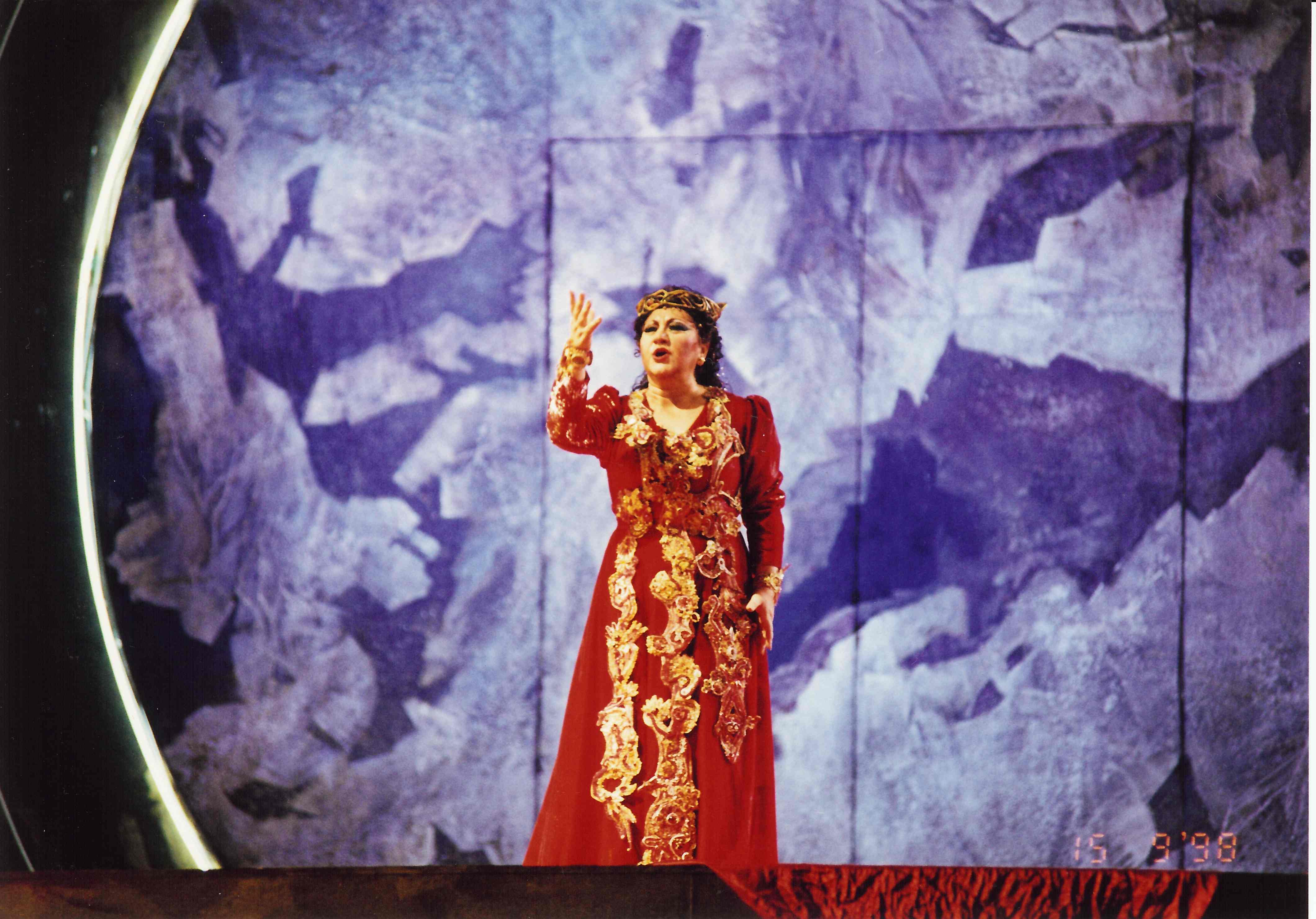
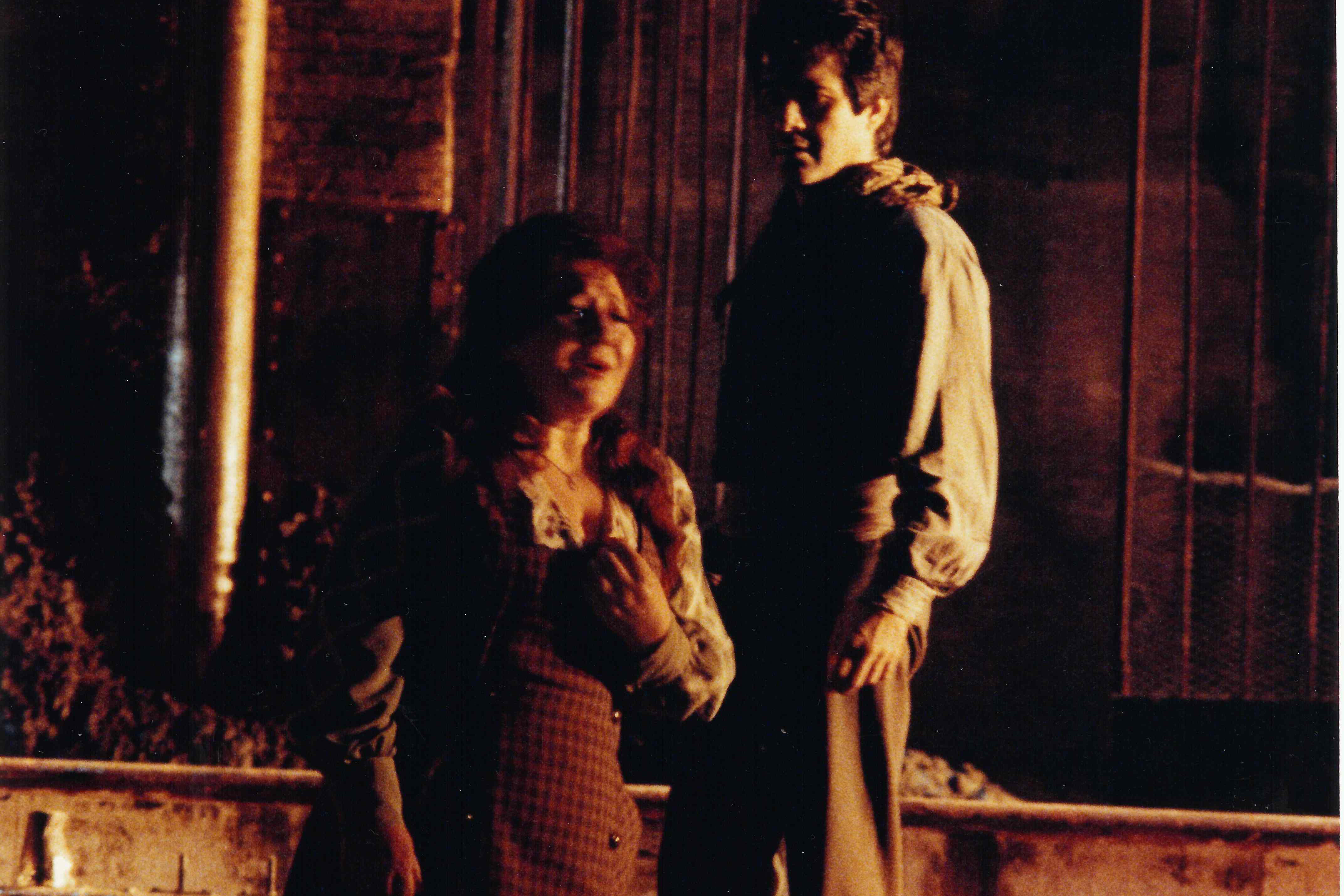
In the first part of Puccini's Il Trittico, Giorgetta is a gritty, passionate role grounded in verismo. The vocal lines require a grounded, earthy tone to reflect the claustrophobia and desperation of life on a Parisian barge.
Highlights from performances and portraits